



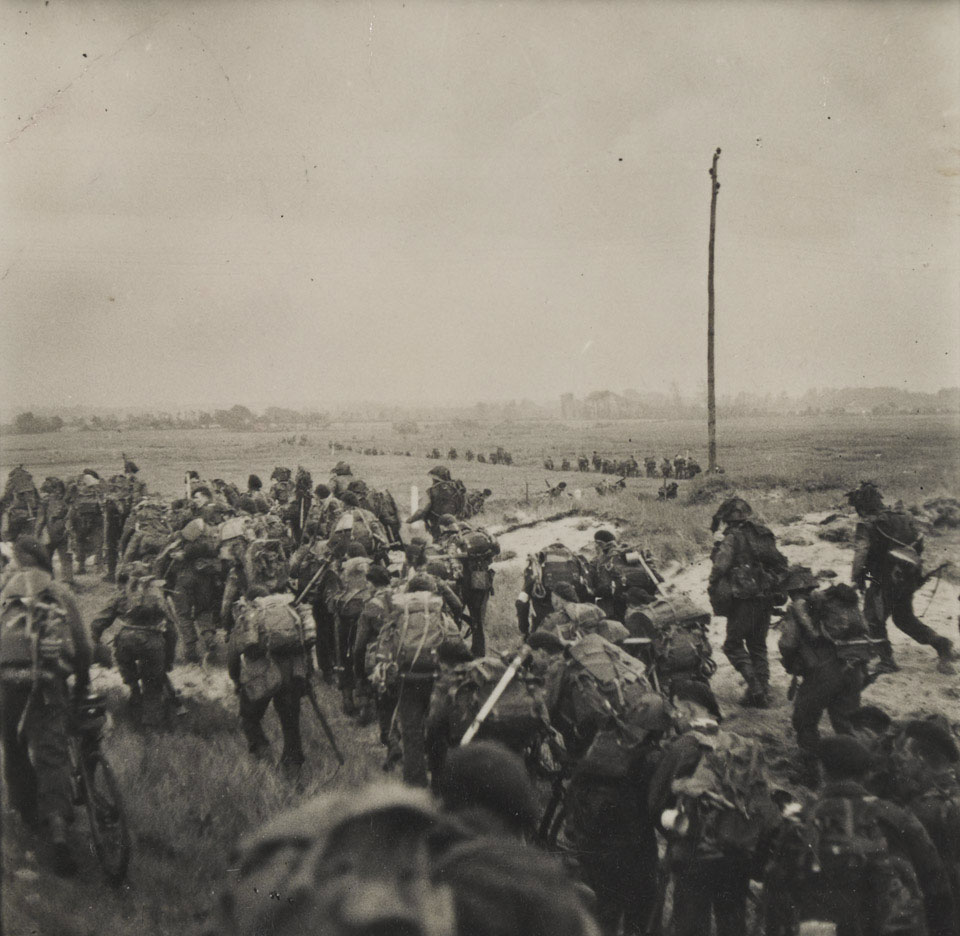
George Abdul
This story and photos are shared by the Trust with kind permission from Ali Chaudhry, Second World War Historian based in Dubai, United Arab Emirates
George Abdul was born around 1923 or early 1924 in the Eastern district of London. No birth record was found, so based on his age being listed as 20 at the time of death in mid-1944, it is likely his birth fell on the latter half of 1923 or the first half of 1924. This could be due to factors such as being recorded wrong or his name being anglicised, or a possible foreign-born father?
The Commonwealth War Graves Commission record for George Abdul does not provide any additional Information such as parents’ names or hometown. The lack of next-of-kin details on the entry says that either his family information was not recorded, or his relatives did not provide details after the war/did not survive the war. Consequently, his familial background and early life remain somewhat unknown.
No census or 1939 Register entry, which recorded every civilian in the UK on the eve of World War II, reveals a clearly matching entry. It may be his entry in the 1939 National Register remains closed due to privacy reasons or was not put under the expected name. The surname Abdul hints that his family may have had links outside of England (The name Abdul often appears as part of Arabic or South Asian names), but there is no evidence of his background beyond his records as a soldier. George was listed as living in Middlesex in 1941, suggesting he spent most of his upbringing in Greater London. However, no specific address, family member, or census entry was found.
His life before military service remains pretty much undocumented, common for working-class soldiers of the era, especially those without surviving family to report personal details to the Commonwealth War Graves Commission after the war.
We do not know the names of his parents and whether he had siblings, or what his childhood was like. But we can know George came of age during the difficult years of the Great Depression and the Blitz. As a teenager in wartime London or Middlesex, he would have lived through air raids, rationing, etc. By the time he turned 18, around 1941 or 1942, conscription would have made military service compulsory.
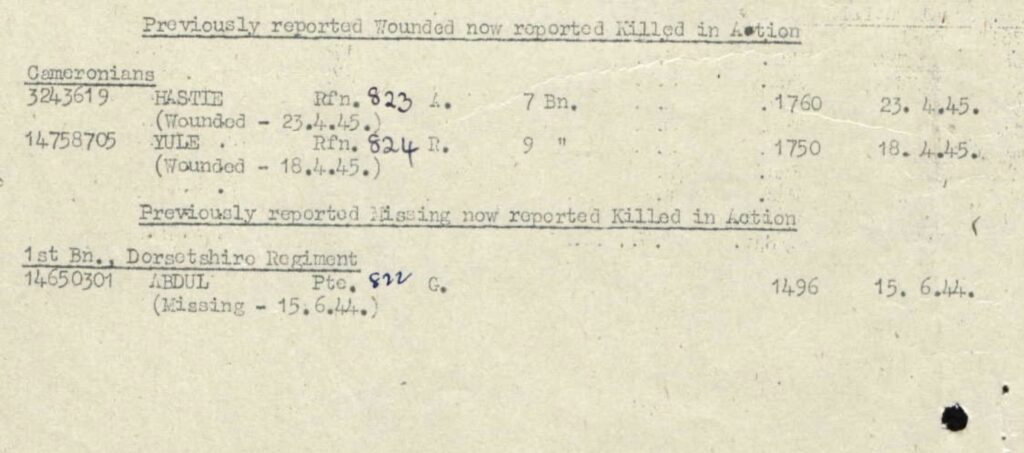
George was assigned the service number 14650301, which places him among the many young men conscripted into the British Army during the later stages of the war. He became a private in the Dorsetshire Regiment, in its 1st Battalion. However, like many soldiers of his rank, his enlistment papers are not publicly accessible without a formal request to the Ministry of Defence, which makes it difficult to trace when and where he may have trained. There is no surviving personal file available online, and his name does not appear in medal rolls or other service indexes beyond his casualty record.
However, we can assume that sometime before June 1944, George completed training and joined the 1st Dorsets, who were preparing for their role in Operation Overlord.
On 6 June 1944, the 1st Battalion of the Dorsetshire Regiment landed at Gold Beach. George would have taken part in the battles around Ryes, Audrieu, and Tilly-sur-Seulles which are villages in Normandy.
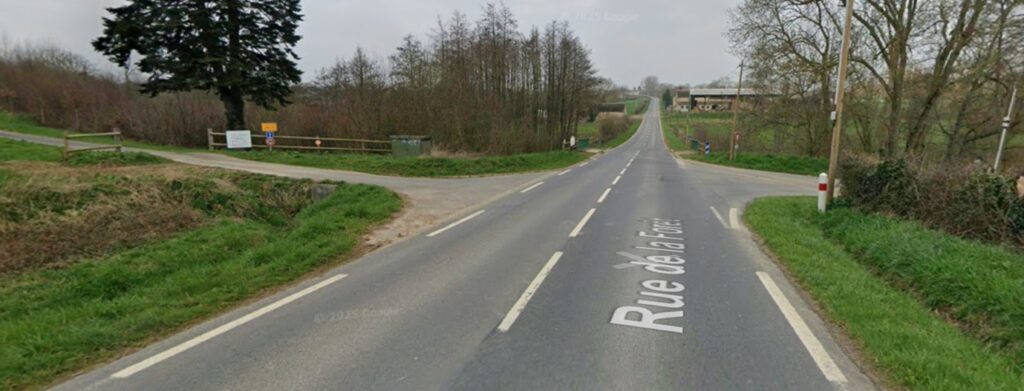
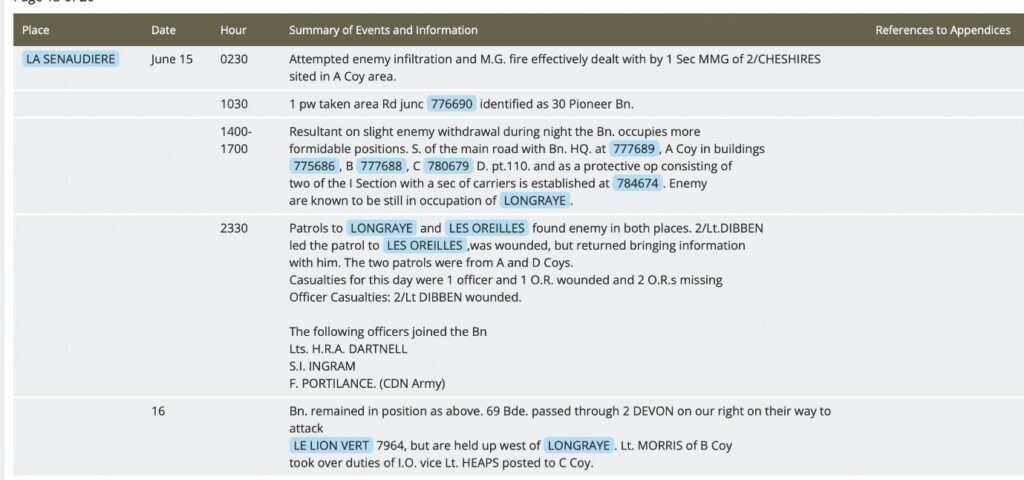
On 14 June, his unit launched an attack near La Senaudière, during which they suffered heavy casualties, including from accidental friendly fire. On the day George died, (15th June 1944) it began with an attempted enemy infiltration at 02:30am which was stopped by machine gun fire, according to the official war diary. At 10:30am, a German soldier from the 30th Pioneer Battalion was captured near a road junction.
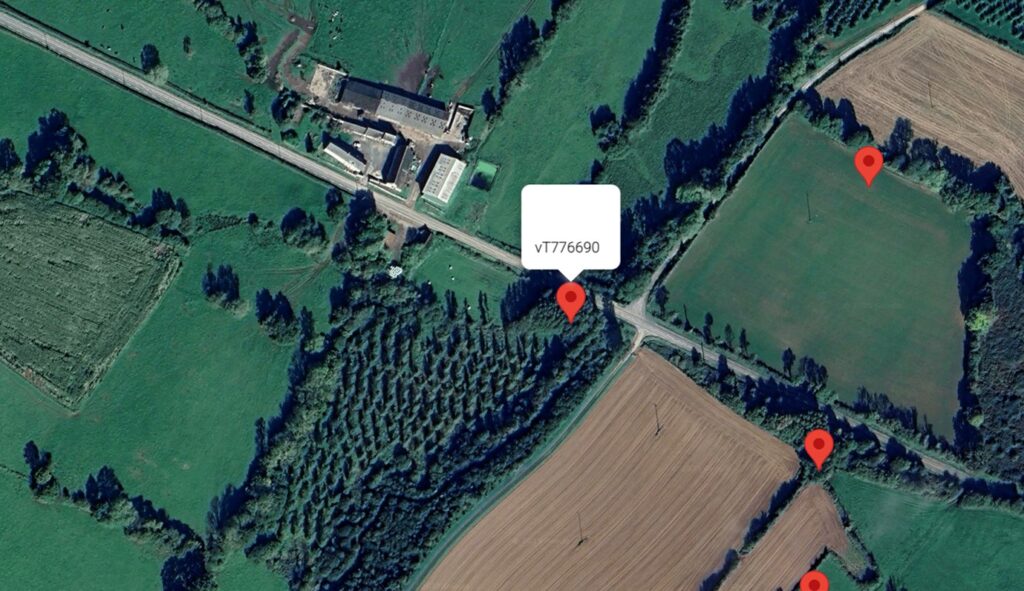
Here is the junction today where the German soldier was caught.
In response to a slight German withdrawal overnight, the battalion moved into more aggressive positions by establishing control over nearby buildings and terrain.
At 11:30pm, two night patrols were sent out, one was sent towards Longraye and the other towards Les Oreilles. These missions were carried out in the dark to try and gather information. The mission at Les Oreilles was led by 2nd Lieutenant Dibben, who was wounded but successfully returned with vital information. However, not everyone came back.
The war diary states “1 officer and 1 O.R. wounded, and 2 O.R.s missing.” “O.R.” refers to “Other Ranks,” a term used for soldiers below officer level.
George Abdul, who was a private, is not listed among the wounded or recovered men, however, he was officially declared missing on that same day. Below is an online copy of the war diary. (https://www.normandywarguide.com/war-diaries/1st-battalion-dorsetshire-regiment-june-44) this is the link incase you are interested in previous or future missions of George’s regiment.
Given that only two men were listed as missing, and George Abdul is recorded by the Commonwealth War Graves Commission as having died on the 15th June with no known grave, it is highly likely that he was one of those two O.R.s lost during the missions. The terrain would have been treacherous and difficult to see in the night. German machine-gunners and snipers were active in the area. It would be very possible that George was killed during the fighting and his body could not be retrieved under fire.
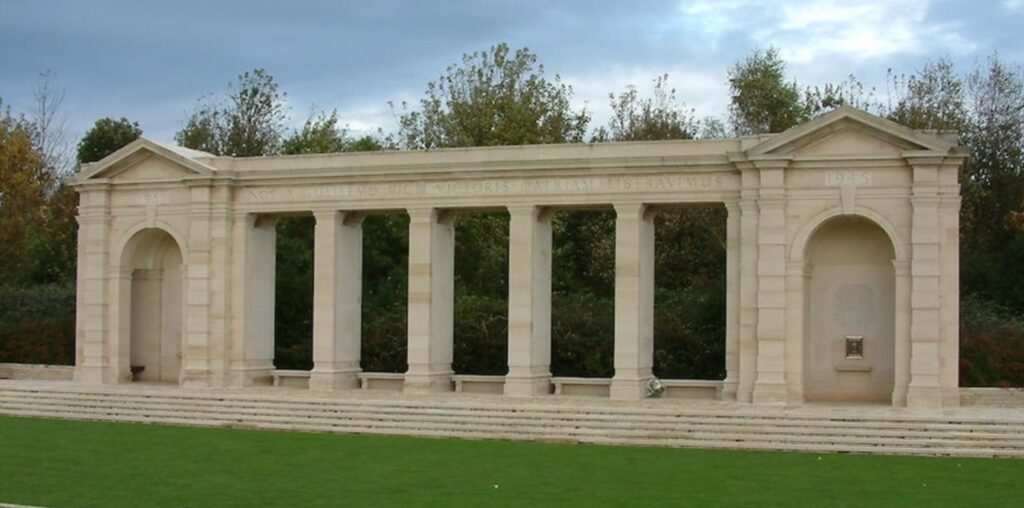
Because George Abdul has no known grave, his name is inscribed on the Bayeux Memorial in northern France (pictured below), which lists over 1,800 British soldiers who died in the Battle of Normandy with no known resting place. His name appears on Panel 15, Column 2, alongside many other men from the Dorsetshire Regiment.
Below is George's entry in the British Army Casualty List.
Though we may never know the full story of George Abdul, his life, his service and sacrifice is remembered.
British Normandy Memorial - Additional Information
Unfortunately, we do not have a photo of George Abdul. If you are aware of one, or you are related to George, we would love to hear from you so we can add to his story.
FALLEN HEROES
GEORGE ABDUL
Army • PRIVATE
Dorsetshire Regiment
1st BattalionDIED | 15 June 1944
AGE | 20
SERVICE NO. | 14650301
FALLEN HEROES
GEORGE ABDUL
Army • PRIVATE
Dorsetshire Regiment
1st BattalionDIED | 15 June 1944
AGE | 20
SERVICE NO. | 14650301